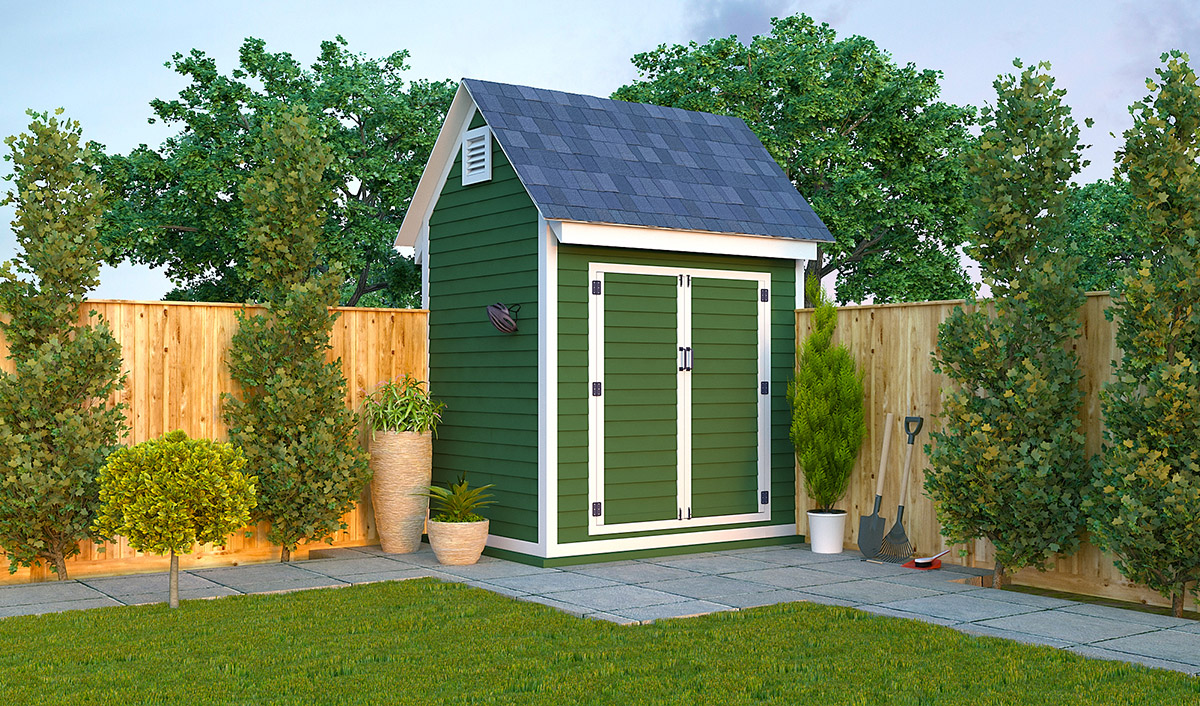
DIY 6x8 Shed Plans: A Comprehensive Materials List for Building a Small Storage Shed
Constructing a 6x8 shed offers a practical solution for additional storage space, requiring manageable effort and resources. This detailed guide provides a comprehensive materials list, addressing various construction aspects and allowing for potential variations based on your specific needs and local building codes. Accurate quantification necessitates careful planning, including precise measurements and selection of appropriate materials. Remember to always check local building codes and obtain any necessary permits before commencing construction.
I. Foundation Materials
The foundation is critical for a stable and long-lasting shed. Several options exist, each influencing material requirements. This section outlines materials for a concrete slab and a gravel base, two common choices for a 6x8 structure.
A. Concrete Slab Foundation
This provides the most robust and level base. The quantity of materials will depend on the desired slab thickness (typically 4 inches is sufficient for a small shed).
- Concrete: Calculate the volume of concrete required using the formula: Length x Width x Thickness. For a 6x8 shed with a 4-inch (0.33-foot) thick slab, this equates to approximately 8 cubic feet. Order additional concrete to account for waste and potential adjustments.
- Gravel Base: A 2-4 inch layer of gravel is typically recommended beneath the concrete slab for improved drainage and stability. Estimate the amount needed based on the shed's footprint and desired gravel depth.
- Rebar: For added reinforcement, rebar is essential. Calculate the length needed based on the dimensions of your slab and spacing requirements (usually every 12-18 inches). Purchase rebar in appropriate diameters.
- Form Lumber: This provides the framework for pouring the concrete. The quantity depends on your slab design but will need to encompass the perimeter of the shed. Consider using pressure-treated lumber for longevity.
- Concrete Mix (optional): If mixing concrete on-site, you will require cement, sand, and gravel in the appropriate proportions. Pre-mixed concrete is generally more convenient.
B. Gravel Base Foundation
This is a more economical option, suitable for well-drained locations. It requires less labor and materials than a concrete slab.
- Gravel: The amount of gravel needed will depend on the desired depth (typically 4-6 inches). Calculate the volume required based on the shed’s footprint and depth.
- Weed Barrier Fabric (optional): To prevent weed growth and improve drainage, consider using landscaping fabric under the gravel.
- Landscape Fabric Staples (optional): Secure the weed barrier fabric to the ground.
II. Framing Materials
The framing provides the structural integrity of your shed. Pressure-treated lumber is recommended for its resistance to rot and insect damage.
- Pressure-Treated 4x4 Posts (or equivalent): For the corner posts and support posts. The number depends on the design, but expect at least four corner posts.
- Pressure-Treated 2x4 Lumber: For the wall studs, roof rafters, and other framing members. Calculate the necessary length and quantity based on your chosen shed design plans.
- Pressure-Treated 2x6 Lumber (optional): For more robust construction, you might opt for 2x6 lumber for certain framing members, especially for load-bearing parts.
- Metal Brackets or Connectors: For strengthening joints and providing extra stability.
- Plywood or OSB Sheathing (optional): For added structural integrity and as a base for siding.
III. Roofing Materials
Roofing material selection impacts both cost and longevity. Asphalt shingles are a common and relatively inexpensive choice.
- Roofing Felt (Underlayment): This protective layer goes beneath the shingles to prevent leaks.
- Asphalt Shingles: The quantity depends on the roof's area and shingle coverage. Check packaging for square footage per bundle.
- Roofing Nails: Specific roofing nails are designed for asphalt shingles.
- Ridge Cap Shingles: These cover the ridge of the roof.
- Flashing (optional): For areas where the roof meets walls or other structures, flashing provides watertight seals.
IV. Siding and Trim Materials
Siding protects the shed's framing and contributes to its aesthetic appeal. Vinyl, metal, and wood are common choices.
- Vinyl Siding (or other chosen siding material): The quantity depends on the shed's exterior surface area. Allow for extra material for cuts and waste.
- J-Channel or Trim Boards: Used to finish the edges of the siding.
- Siding Nails or Screws: Appropriate fasteners for your chosen siding material.
- Window and Door Trim (optional): For a more finished look, add trim around windows and doors.
V. Door and Window Materials
Select appropriately sized door and window units that suit your needs and match the shed’s dimensions.
- Exterior Door: Choose a door that fits the opening and matches the overall style of the shed.
- Door Hardware: Includes hinges, handle, and latch.
- Window(s): Select windows to suit your needs and budget, considering size, type (e.g., fixed, operable), and material.
- Window Hardware: If applicable, purchase window latches or handles.
VI. Additional Materials
Consider these additional materials for a complete build:
- Concrete Screws or Anchors (optional): For attaching the base to the shed frame if using a concrete slab.
- Fasteners (Screws, Nails): A variety of sizes and types will be needed throughout the construction process.
- Wood Preservative (optional): To protect untreated lumber from rot and insect damage.
- Caulk and Sealant: To seal gaps and cracks to prevent water infiltration.
- Safety Equipment: Essential for protecting yourself during construction. This includes safety glasses, work gloves, and hearing protection.
- Tools: A comprehensive set of tools is essential, including measuring tapes, levels, saws, drills, hammers, and other relevant tools for the chosen materials.
This list provides a comprehensive overview of materials for building a 6x8 shed. Remember that quantities are estimates and may vary depending on your specific design, construction methods, and material choices. Always double-check your measurements and consult your chosen building plans for precise material requirements. Prioritize safety throughout the construction process and adhere to all local building codes and regulations.
0 comments:
Post a Comment